

Why TSA Officers Are Losing Checkpoint Chairs at Airports

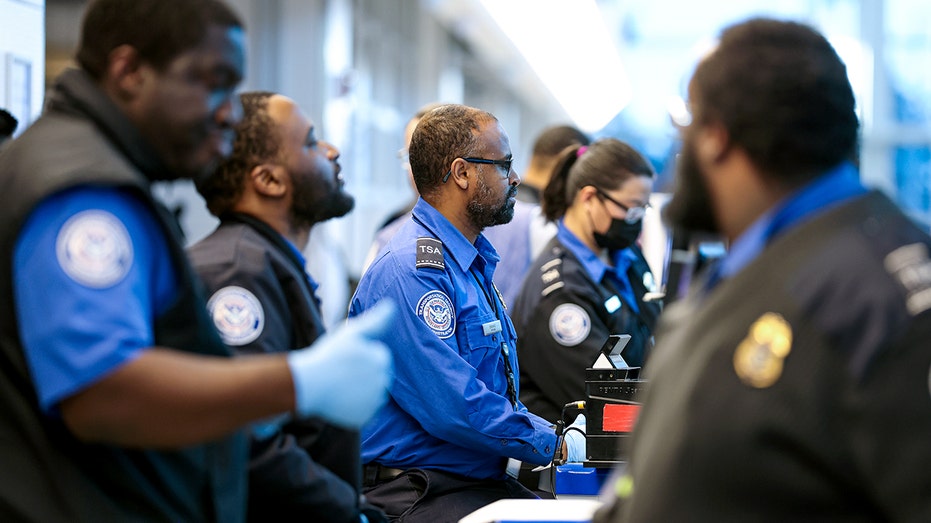
Travelers passing through airport security may notice a small but controversial change at checkpoints: some Transportation Security Administration officers who verify passenger identification are no longer seated. Under a new TSA directive, those officers are expected to remain standing while checking IDs before screening.
The agency says the move is designed to strengthen security while also improving the way travelers are greeted at the checkpoint. In a statement shared with multiple news outlets, TSA said the change reinforces its security posture and its commitment to hospitality by keeping officers on their feet and alert. The agency also said all officers must meet fitness-for-duty requirements so they can carry out their national security responsibilities.
The policy shift comes nearly two months after TSA Administrator David Cummins took over the agency and began an initiative aimed at improving the passenger experience. While the change may seem minor to some travelers, it has quickly sparked criticism from the union representing TSA officers.
Union objects to rollout
The American Federation of Government Employees TSA Council 100 said it was not consulted before the policy was put in place at most TSA-staffed airports across the country. The union has argued that the chairs are not a luxury, but a basic ergonomic and safety support for officers who spend long periods working on hard airport floors. It has also said it plans to challenge the change.
That criticism is not limited to labor concerns. Daniel Bubb, Ph.D., a commercial aviation professor at the University of Nevada, Las Vegas, said standing for long periods on hard surfaces can contribute to foot and back problems. Bubb, who previously worked as an airline customer service representative and performed airport security duties, said anti-fatigue mats could help reduce strain for officers required to stand.
Where the rule applies
The policy applies only to officers assigned to check passengers' identification before the screening process, according to reports. It does not cover every checkpoint position. Officers operating X-ray machines for carry-on bags may still work while seated, and TSA officers typically rotate through several different checkpoint assignments during an eight-hour shift, a TSA spokesperson told The New York Times.
It is also worth noting that not every U.S. airport is staffed by TSA officers. Around 20 airports, including San Francisco International Airport and Kansas City International Airport, use private screeners through the TSA's Screening Partnership Program. That means the standing rule may not affect all airports in the same way.
Will passengers notice?
For travelers, the practical impact may be limited. Gary Leff, a Texas-based travel industry expert and author of the blog View From the Wing, told Fox News Digital that he does not expect the change to significantly affect airport operations or the passenger experience.
Leff said most passengers are likely to care less about whether the officer checking identification is sitting or standing than about whether the process is efficient and respectful. In his view, the key issues are attentiveness, courtesy and keeping the line moving. He also said he is not convinced that a stool creates a real problem.
Even so, the disagreement highlights a broader tension inside airport security: how to balance visible alertness and customer service goals with the physical demands placed on frontline officers. As the policy continues to draw scrutiny, the debate is likely to center on whether standing actually improves checkpoint performance or simply shifts more strain onto employees. Fox News Digital reported that it reached out to TSA for additional comment.

Works on Android, iPhone, Windows and Mac. No Play Store, installs in 2 seconds.
Frequently Asked Questions
What's Your Reaction?
 Like
0
Like
0
 Dislike
0
Dislike
0
 Love
0
Love
0
 Funny
0
Funny
0
 Wow
0
Wow
0
 Sad
0
Sad
0
 Angry
0
Angry
0











Comments (0)