

How to Build an Emergency Fund on a Small Income: A Practical Guide for Beginners
Learn how to build an emergency fund even when your income is limited. This practical guide explains budgeting, small savings habits, realistic goals, common mistakes, and simple strategies to prepare for unexpected expenses. Discover how consistent saving can help you manage financial emergencies
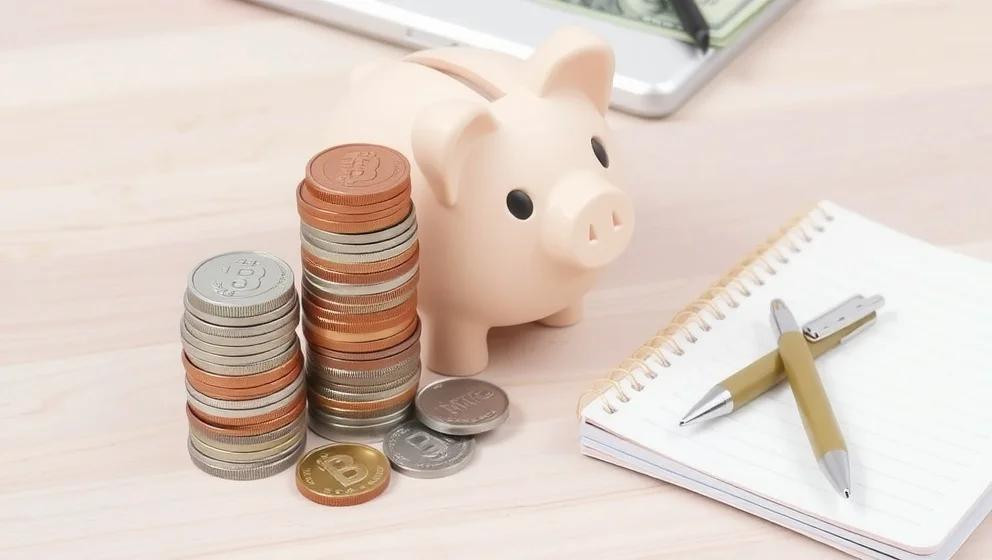
# How to Build an Emergency Fund on a Small Income: A Practical Guide for Beginners
## Introduction
Life is full of surprises. An unexpected medical bill, an urgent home repair, a temporary loss of income, or an emergency journey can create financial stress for any household. Without savings, people may need to borrow money, delay important payments, or depend on others for support.
An emergency fund is money reserved for unexpected and necessary expenses. It provides a financial cushion when life does not go according to plan.
Many people believe that saving money is possible only for those who earn a high salary. However, building a savings habit does not always require a large income. It starts with understanding your expenses, setting realistic goals, and making consistent decisions.
If your income is limited, you can begin with a small amount and increase it when your financial situation improves. This guide explains practical ways to start building an emergency fund without putting unnecessary pressure on your household budget.
## 1. Understand the Purpose of an Emergency Fund
An emergency fund is designed to cover essential, unexpected expenses that cannot reasonably wait until your next payday.
Examples include urgent medical expenses, essential household repairs, emergency travel, or a temporary interruption in income.
However, not every unexpected purchase is an emergency. Buying a new phone because a newer model has launched or purchasing something during a sale should generally be covered by a separate spending budget.
Keeping emergency savings for genuine needs helps prevent the money from disappearing on ordinary purchases.
The goal is not to predict every possible problem. The goal is to be better prepared when an unexpected expense occurs.
## 2. Understand Your Monthly Income and Expenses
Before deciding how much to save, take a close look at your monthly budget.
Write down your total income and list your essential expenses, including housing, food, electricity, transportation, education, and necessary healthcare.
Next, identify flexible expenses such as entertainment, nonessential shopping, and subscriptions. Finally, account for irregular expenses that occur only occasionally, such as annual fees or seasonal household costs.
This simple exercise can help you understand where your money goes.
For example, you might discover that you are paying for a subscription you rarely use. Cancelling it could free up a small amount for savings.
However, do not assume every household has unnecessary expenses to eliminate. If most of your income already goes toward basic needs, your ability to save may be limited. In that situation, starting very small or looking for realistic ways to increase income may be more helpful than cutting essential expenses.
## 3. Set a Small and Achievable Savings Goal
One common mistake is setting a very large savings target immediately. When a goal feels impossible, it can become difficult to stay motivated.
Instead, divide your goal into smaller milestones.
Your first target might be enough to cover a modest unexpected expense. Once you reach it, you can gradually work toward a larger reserve.
For example, saving ₹300 per month would produce ₹1,800 in six months, excluding interest. Saving ₹500 per month would produce ₹3,000 over the same period.
These figures are examples, not fixed requirements. Choose an amount that fits your own income and essential expenses.
Even a small amount can help you develop the habit of setting money aside regularly.
The important thing is to make your first goal realistic enough that you can work toward it without neglecting necessary bills.
## 4. Make Saving a Regular Habit
Saving becomes easier when it is part of your routine rather than a decision you must make every day.
If you receive a predictable monthly income, consider transferring a small amount into a separate savings account after your income arrives and your immediate obligations are accounted for.
If your income is irregular, you may prefer to save a manageable portion whenever you receive payment.
You do not need an expensive budgeting application to do this. A notebook, spreadsheet, or simple record on your phone can be enough.
Choose a contribution that you can reasonably afford. If an essential expense arises, adjust your savings plan instead of risking a missed payment.
Consistency is useful, but flexibility is equally important. A good savings plan should work with your real circumstances.
## 5. Keep Your Emergency Savings Separate
Keeping emergency savings in the same place as your everyday spending money can make it difficult to track how much you have available.
Consider using a separate, suitable savings account or another low-risk option that allows access when needed.
Before choosing an account, review its fees, withdrawal conditions, minimum balance requirements, and applicable deposit protection arrangements.
Avoid placing money needed for urgent expenses into highly volatile investments. An emergency fund is intended to provide stability and access, not to chase the highest possible returns.
Also consider how quickly you could access the money during an emergency. A savings arrangement that creates long delays or substantial withdrawal costs may not meet your needs.
The best choice depends on your personal circumstances and the options available where you live.
## 6. Find Practical Ways to Free Up Money
You do not need to change your entire lifestyle to improve your savings habits.
Planning meals before grocery shopping may help reduce waste. Comparing prices on regular household purchases can help you identify better-value options. Reviewing subscriptions can reveal services you no longer need.
You can also pause before making a nonessential purchase and ask yourself whether it is necessary right now.
These small decisions may create opportunities to save without making your daily life unnecessarily difficult.
However, it is important to maintain realistic expectations. When income is already insufficient to cover essential needs, cutting small purchases may not solve the problem.
Depending on your situation, exploring suitable additional work, improving job skills, or seeking reliable income opportunities may be more effective.
Avoid opportunities that promise guaranteed profits or require you to pay suspicious upfront fees. Research opportunities carefully before sharing personal information or money.
## 7. Build Your Emergency Fund in Stages
Building a large emergency fund can take time, particularly if your income is limited.
A staged approach can make the process easier to manage.
First, build a starter reserve for a small unexpected expense.
Second, gradually increase your savings so that you can handle a more significant essential bill without immediately borrowing.
Third, work toward a longer-term reserve based on your necessary living expenses.
A commonly used financial guideline is to aim for three to six months of essential expenses. However, this is not a universal requirement. Your ideal target depends on your income stability, family responsibilities, health-related needs, and other sources of support.
Someone with a stable income and few financial responsibilities may have different needs from someone supporting several family members or earning irregularly.
Do not feel discouraged if your larger target takes a long time to reach. Your savings can still be useful while you are building toward it.
## 8. Know What to Do When an Emergency Happens
Suppose you have saved ₹5,000 and then face an essential repair costing ₹2,000.
If the expense genuinely qualifies as an emergency, using part of your fund is exactly what the money is intended for.
After paying the expense, you would have ₹3,000 remaining. When your budget allows, you can gradually rebuild the amount you used.
Keep a simple record of withdrawals and the reasons behind them. This helps you understand how your fund is being used and whether your savings target should change.
If you need to pause contributions for a month because of an essential bill, that does not mean you have failed. Restart when your circumstances permit.
An emergency fund should support your financial well-being, not become another source of pressure.
## 9. Avoid Common Savings Mistakes
Several mistakes can make it harder to build an emergency fund.
**Setting an unrealistic goal:** A target that prevents you from paying essential bills is not sustainable.
**Using emergency money for ordinary purchases:** Separate savings from routine spending so that the fund remains available when genuinely needed.
**Taking unnecessary investment risks:** Emergency savings should prioritise safety and accessibility.
**Ignoring expensive debt:** If you have high-interest debt, consider how to balance the cost of interest with the need for a small emergency reserve.
**Comparing yourself with others:** Different people have different incomes, living costs, and family obligations. Your target should reflect your own situation.
**Giving up after a withdrawal:** Using emergency savings for a genuine emergency is not failure. Rebuilding the fund is part of the process.
Learning from these mistakes can help you create a financial routine that is easier to maintain.
## 10. Review Your Progress Every Month
Choose a convenient day each month to review your budget and savings.
Ask yourself three simple questions.
How much did I save this month?
Did an unexpected expense affect my plan?
Is my current target still realistic?
Record your answers in a notebook or spreadsheet. This helps you see your progress and identify areas that may need attention.
If your income increases, consider directing some of the additional money toward your emergency fund. If your essential expenses increase, review your target and adjust your plan.
Monthly reviews also help you recognise progress that might otherwise go unnoticed.
You do not need a complicated financial system. A simple routine that you follow consistently can be more useful than an elaborate plan that you abandon.
## Conclusion
Building an emergency fund on a small income can be challenging, but you can begin with a practical and realistic plan.
Understand your expenses, choose an affordable savings target, keep your emergency money separate, and increase your reserve gradually as your circumstances allow.
Remember that the purpose of an emergency fund is not to become wealthy overnight. It is to create greater financial stability when life becomes unpredictable.
Your first contribution may seem small, but it represents a positive step toward being better prepared. Start where you are, work within your means, and allow your savings habit to develop over time.
Frequently Asked Questions
Can I build an emergency fund with a low income?
Yes, you can start with a small amount if your essential expenses allow it. Choose a realistic target, save regularly when possible, and gradually increase your contributions as your financial situation improves.
How much money should I keep in an emergency fund?
A common long-term guideline is three to six months of essential living expenses. However, the right amount depends on your income stability, family responsibilities, necessary expenses, and access to other financial support.
Where should I keep my emergency savings?
Consider a safe and accessible savings option that keeps the money separate from everyday spending. Check account fees, withdrawal conditions, minimum balance requirements, and applicable deposit protection before making a choice.
Should I invest my emergency fund in the stock market?
Emergency savings generally need stability and easy access. Stock market investments can lose value, so money that may be needed urgently is usually better kept in an appropriate, accessible, low-risk savings option.
What should I do if I have to use my emergency fund?
Use the money for genuine, necessary emergencies and keep a record of the withdrawal. Once the urgent expense is handled, rebuild your savings gradually when your budget allows. Using the fund for its intended purpose does not mean you have failed.

Install in seconds and keep earning from your phone.
What's Your Reaction?
 Like
0
 Dislike
0
 Love
0
 Funny
0
 Wow
0
 Sad
0
 Angry
0













Comments (0)