

Resin Art Jewelry: A Complete Beginner’s Guide
Learn how to make resin art jewelry with epoxy resin, molds, colors, and simple beginner tips for polished handmade pieces.
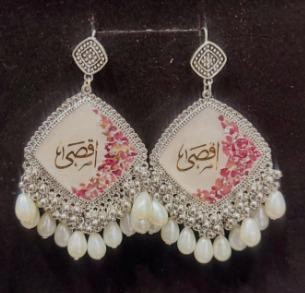
Resin art jewelry is a creative way to make handmade accessories with a polished, glossy finish. It is popular with artists, jewelry makers, and DIY crafters because epoxy resin can be shaped into many styles and customized with decorative details. Beginners often start with earrings, pendants, rings, bracelets, or even keychains, then experiment with pigments, glitter, dried flowers, and metallic flakes to create one-of-a-kind pieces.
At its core, resin jewelry is made by combining liquid resin with a matching hardener. When mixed in the ratio recommended by the manufacturer, the two parts react and gradually cure into a solid material. Clear epoxy resin is widely used for jewelry because it can produce a transparent finish and preserve small decorative items inside the design.
Basic materials you will need
- Epoxy resin and hardener for the main casting process
- Silicone molds in shapes such as earrings, pendants, rings, or bracelets
- Resin pigments for color and effects
- Glitter, gold flakes, or dried flowers for decoration
- Mixing cups and sticks for accurate measuring and blending
- Jewelry findings such as hooks, chains, jump rings, and cords
- Safety equipment including gloves, eye protection, and good ventilation
Always choose a resin intended for jewelry or small casting projects, and follow the product’s safety guidance carefully.
How beginners can make resin jewelry
- Prepare the workspace. Work in a clean, dry, dust-free, well-ventilated area. Protect the table surface and keep all tools within reach.
- Measure and mix. Combine the resin and hardener exactly as instructed. Some products use a 1:1 ratio, while others may require 2:1 or another proportion. Stir slowly and thoroughly to help reduce bubbles.
- Add color and design elements. Mix in pigments, glitter, flowers, or metallic flakes. Avoid overfilling the resin with decorations, as too much material can interfere with curing.
- Pour into molds. Fill the silicone molds carefully and position any decorative pieces with a suitable tool. Remove visible bubbles before leaving the mold to cure.
- Let it cure fully. Many resins can be removed from molds after 24 to 48 hours, while full curing may take 72 hours or longer depending on the formula and conditions.
- Finish the piece. Once cured, remove the jewelry gently, smooth rough edges if needed, and attach the findings.
Why resin jewelry appeals to beginners
Resin jewelry offers strong creative freedom because each design can be personalized through color, shape, and embedded details. It is also approachable for new makers, since it can be started with basic tools and small quantities of materials. Beyond hobby crafting, it also has business potential through online shops, social media platforms, and local craft exhibitions.
For better results, keep molds clean, use fully dried flowers, and mix carefully to limit bubbles. Finished pieces should not be worn until fully cured, and they should be protected from excessive heat or long periods of direct sunlight because some resins may discolor over time. It is also important to remember that not every resin is suitable for prolonged skin contact.
With patience and attention to detail, resin art jewelry can become both an enjoyable creative outlet and a practical handmade product line. From floral earrings to colorful rings and custom pendants, it gives beginners plenty of room to learn, improve, and develop a personal style.

Install in seconds and keep earning from your phone.
Frequently Asked Questions
What's Your Reaction?
 Like
0
Like
0
 Dislike
0
Dislike
0
 Love
0
Love
0
 Funny
0
Funny
0
 Wow
0
Wow
0
 Sad
0
Sad
0
 Angry
0
Angry
0









Comments (0)