

Daily Creatine May Help Preserve Muscle With Age

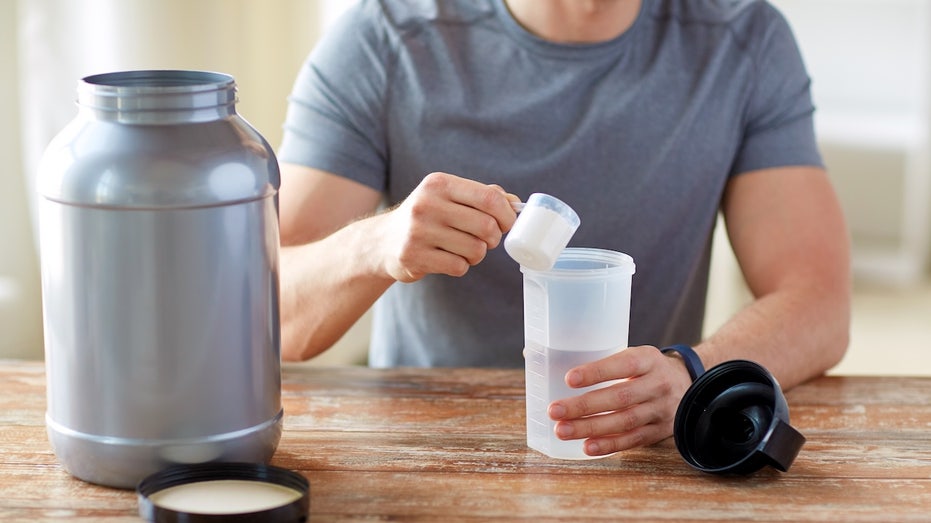
A daily creatine supplement may offer meaningful support for muscle and strength as people get older, even for those who are not following an exercise program. That conclusion comes from a 12-week study published in the Journal of the International Society of Sports Nutrition, which examined whether creatine monohydrate could help middle-aged and older adults protect lean mass during aging and dieting.
Researchers at Texas A&M University’s Exercise & Sport Nutrition Lab studied 64 men and women between ages 45 and 65. Participants first chose whether to join a non-exercise group or an exercise-plus-diet group, and then were randomly assigned to receive either creatine monohydrate or a placebo. The creatine dose was 10 grams per day, split into two 5-gram servings.
Creatine is a naturally occurring compound that helps the body regenerate adenosine triphosphate, or ATP, the main energy source used by cells. According to Cleveland Clinic, that matters in both muscle and brain tissue. In supplement form, creatine monohydrate is commonly used to help muscles produce quick energy during activities such as strength training.
The findings are notable because muscle loss and declining strength become more common with age. This process, known as sarcopenia, can be worsened by dieting, which sometimes reduces lean tissue along with body fat. In this study, creatine appeared to help offset that effect.
What the study found
Among participants who combined exercise and diet changes with creatine, researchers reported greater reductions in body fat percentage, better preservation of lean body mass, and stronger improvements in both upper- and lower-body strength than in the placebo group.
Even more striking, participants who did not make exercise or diet changes still saw benefits from daily creatine supplementation. According to the study, they increased lean tissue mass and improved muscular strength and endurance despite not training.
New York-based fitness coach Jacob Zemer, who was not involved in the research, said the results stand out because even the non-exercise participants improved measures such as bench press and leg press. He said the findings suggest creatine may be supporting actual muscle tissue related to strength, rather than simply increasing water stored inside muscle cells.
Possible brain-related benefits
The study also found that the 10-gram daily dose supported improvements on select tests of memory and cognitive processing. That does not mean creatine is a treatment for neurological disease, but it does add to growing interest in its potential benefits beyond sports performance.
Zemer said one major takeaway is that creatine may be useful for more than athletes and bodybuilders. At the same time, he stressed that supplementation should not be viewed as a substitute for regular physical activity. Exercise still provides broader benefits, and the study suggests the combination of exercise and creatine may be especially effective.
Important limitations and safety notes
The researchers acknowledged several limits. Because participants selected the exercise or non-exercise track before randomization, lifestyle differences may have existed between groups. The trial also lasted only 12 weeks and included healthy adults, so it is still unclear whether the effects would continue long term or apply to people with serious metabolic or neurological conditions.
For people considering creatine, Zemer advised speaking with a healthcare professional first, choosing a reputable brand, staying hydrated and taking it consistently. He noted that common minimum recommendations are about 3 grams daily for women and 5 grams for men, while this study used a higher amount. According to the NIH Office of Dietary Supplements, creatine is generally considered safe for healthy adults, though some people may experience bloating, stomach discomfort or water retention. Anyone with kidney disease or another chronic condition should talk with a healthcare provider before starting supplementation.
Install in seconds and keep earning from your phone.
Frequently Asked Questions
What's Your Reaction?
 Like
1
Like
1
 Dislike
0
Dislike
0
 Love
0
Love
0
 Funny
0
Funny
0
 Wow
0
Wow
0
 Sad
0
Sad
0
 Angry
0
Angry
0












Comments (0)