

Viral Starlink Gesture at U.N. Draws Massive Attention in Iran

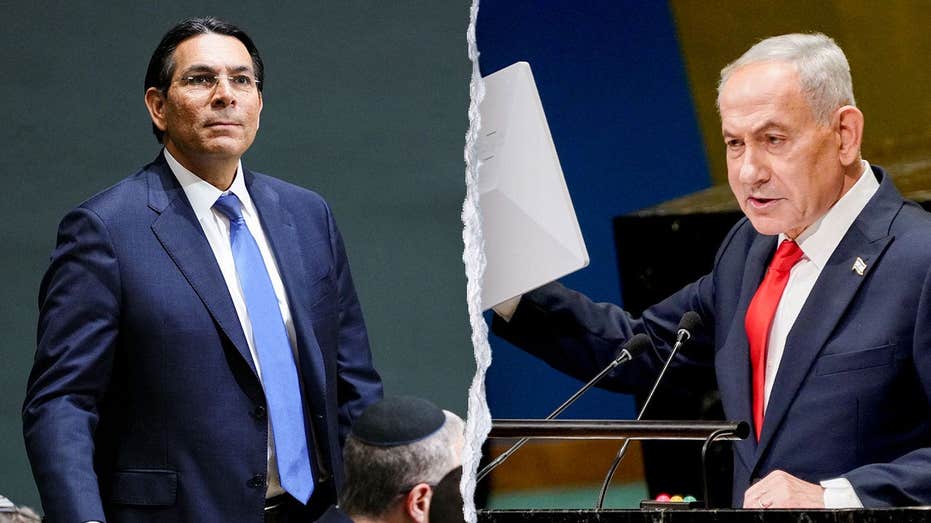
A viral video showing Israel’s ambassador to the United Nations offering an Iranian representative a Starlink device has become one of the most widely shared diplomatic clips of 2026. According to analytics shared with Fox News Digital, the video has reached roughly 9 million views across social media platforms, with nearly 40% of its Instagram audience located in Iran. That audience breakdown has drawn particular attention because it suggests the clip resonated far beyond diplomatic circles and into a population living under tight controls on information and internet access.
The moment spread quickly because it combined symbolism, geopolitics, and technology in a format built for social media. A short visual exchange at the U.N. is easy to repost, clip, and translate, and the reference to Starlink added another layer of meaning. For many viewers, the device represented more than satellite internet hardware; it stood in for broader debates about censorship, communication, and the ability of ordinary people to reach information outside state-managed networks.
Starlink has become a politically charged term in discussions about Iran because access to independent internet connections is often linked to questions of civil liberties and state control. In that context, the ambassador’s gesture was interpreted by supporters as a pointed message about digital freedom. Critics, however, may see it as a staged diplomatic provocation designed for cameras as much as for policy impact. Either way, the clip succeeded in generating attention in a media environment where symbolic acts often travel faster than formal speeches.
Why the Iran viewership matters
The report that almost 40% of Instagram viewers were in Iran may be the most significant detail attached to the video’s performance. It indicates that the content was not only consumed by international observers, journalists, or political activists abroad, but also by a domestic audience with a direct stake in the issues the clip evokes. In practical terms, that level of engagement suggests strong public curiosity around tools that could bypass restrictions and maintain communication during periods of disruption.
Social media metrics do not automatically translate into political change, but they can reveal where public attention is concentrated. In this case, the numbers point to a strong appetite inside Iran for content related to internet access, global diplomacy, and visible challenges to official narratives. Viral moments can also shape perception by reducing complex disputes into a single image, and that image can become more influential than lengthy policy explanations.
Diplomacy in the age of viral clips
The episode also reflects how diplomacy now unfolds in two arenas at once: formal institutions and algorithm-driven platforms. A gesture made in a U.N. setting can instantly become a global media event, judged not only by diplomats but by millions of users scrolling on phones. That shift has changed incentives for public officials, who increasingly understand that a brief, visually striking exchange can carry more reach than a prepared statement.
Whether the Starlink offer leads to any practical outcome remains unclear. What is clear is that the video has already achieved something measurable: it pushed a niche diplomatic interaction into mainstream online conversation and reached a large audience inside Iran. In 2026, that combination of symbolism, technology, and cross-border digital attention is enough to turn a brief U.N. moment into an international story.
Install in seconds and keep earning from your phone.
Frequently Asked Questions
What's Your Reaction?
 Like
0
Like
0
 Dislike
0
Dislike
0
 Love
0
Love
0
 Funny
0
Funny
0
 Wow
0
Wow
0
 Sad
0
Sad
0
 Angry
0
Angry
0












Comments (0)