

Hiker Dies in 1,000-Foot Fall After Second Mountain Tragedy

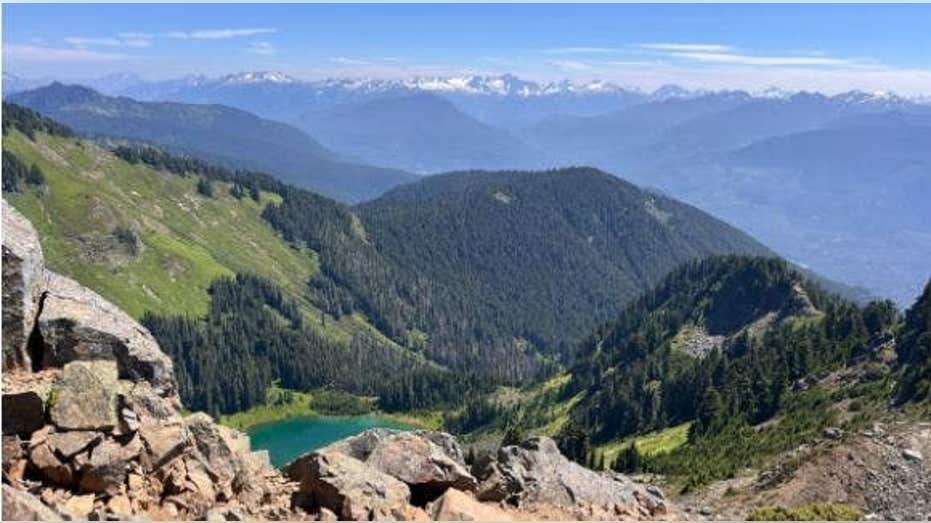
A hiker died after falling as much as 1,000 feet from a mountain route, according to rescue officials, in a tragedy that came just one day after another body was discovered on the same peak. The back-to-back incidents have drawn attention to the risks of late-season hiking, especially on steep and exposed terrain where weather, loose rock, and fatigue can quickly turn dangerous.
Authorities said emergency crews were called after reports that the hiker had fallen from a high section of the mountain. Search and rescue teams responded to the scene, but the person was pronounced dead after suffering catastrophic injuries in the fall. Officials have not released all identifying details, pending notification of relatives and completion of the investigation.
The incident happened less than 24 hours after recovery teams located another body on the same mountain, adding urgency and concern for both rescuers and visitors. While the two cases have not necessarily been linked, the timing has raised questions about conditions on the route and whether changing weather or terrain hazards may have played a role.
Hazards on steep mountain routes
Experienced hikers often note that mountains can become significantly more dangerous near ridgelines, gullies, and narrow traverses. A slip on gravel, wet rock, or unstable footing can lead to a long fall, particularly in areas without barriers or clear escape routes. Even fit and prepared hikers can face rapidly shifting conditions that reduce visibility and increase the chance of a misstep.
Rescue organizations regularly warn that exposure, exhaustion, and poor route judgment are common factors in serious mountain accidents. In many cases, hikers underestimate the time needed to descend safely or continue after weather begins to change. Once a person is committed to a steep section, turning around may become difficult, especially if daylight is fading.
Investigation and response
Officials are expected to review the circumstances surrounding the fatal fall, including trail conditions, witness accounts, and any available route information. Such investigations typically seek to determine whether the hiker was on a marked path, whether technical equipment was being used, and whether environmental factors contributed to the accident. Authorities may also use the findings to update public safety guidance.
The discovery of another body on the same mountain the previous day has also placed added strain on rescue teams, who often work in remote, hazardous areas under intense pressure. Recoveries on steep slopes can take hours and may require specialized rope systems, helicopters, or coordinated ground teams. These operations are not only physically demanding but can also expose rescuers to many of the same dangers faced by hikers.
Safety reminders for hikers
Mountain safety experts advise hikers to check route reports, weather forecasts, and daylight hours before setting out. Carrying navigation tools, extra layers, food, water, and a charged phone or emergency beacon can make a critical difference if conditions deteriorate. Hiking with a partner and turning back early when terrain feels unsafe remain among the most effective ways to reduce risk.
- Check conditions: Review weather, recent trail updates, and known hazards before departure.
- Know your limits: Avoid exposed or technical sections beyond your experience level.
- Plan for descent: Many accidents happen on the way down, when fatigue affects balance and judgment.
- Leave a route plan: Tell someone where you are going and when you expect to return.
As investigators continue to gather details, the latest death stands as another stark reminder that mountain environments can be unforgiving. For many hikers, the appeal of dramatic views and challenging routes is part of the experience, but safety decisions made before and during a climb often determine whether the trip ends safely. Authorities are urging visitors to approach steep mountain terrain with caution, especially as seasonal conditions become less predictable heading into autumn 2026.
Install in seconds and keep earning from your phone.
Frequently Asked Questions
What's Your Reaction?
 Like
0
Like
0
 Dislike
0
Dislike
0
 Love
0
Love
0
 Funny
0
Funny
0
 Wow
0
Wow
0
 Sad
0
Sad
0
 Angry
0
Angry
0














Comments (0)