

State, Senate Clash Over Venezuela Oil Deal Briefing

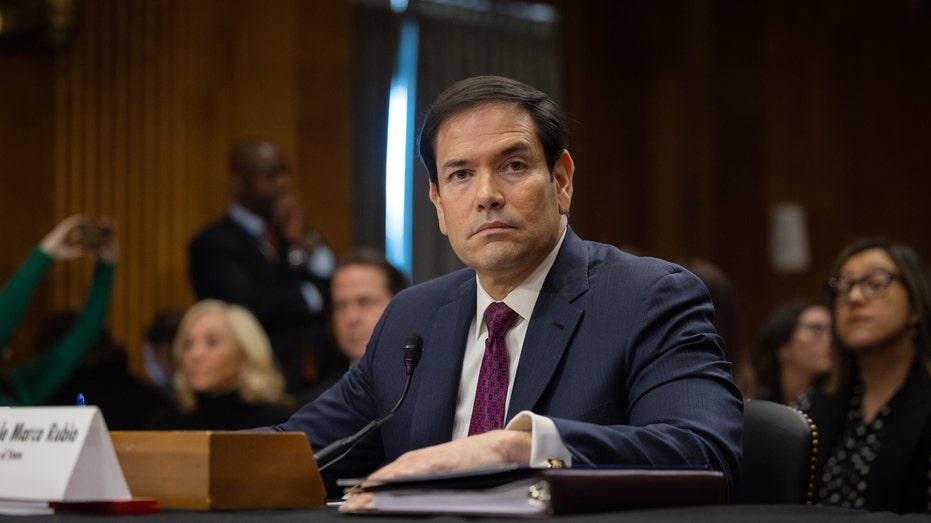
Tensions flared in Washington this week after the State Department accused Senate Democrats of political theater over demands for more information on the Trump administration’s Venezuela oil agreement, even as a planned congressional briefing was postponed when the Senate left town for recess.
At the center of the dispute is the administration’s strategic partnership with North American Blue Energy Partners, or NABEP. The arrangement would give the Department of War rights to a 35% stake in one of Venezuela’s largest oil producers, while the State Department would receive the ability to buy 20% of the company’s output at cost and hold first refusal rights on the rest.
State officials say four senior Democrats had already been told that administration officials would brief the Senate Foreign Relations Committee and provide documents on Oct. 1, 2026. Despite the briefing being postponed, the department said it still delivered copies of the U.S. government’s agreement with NABEP to the committee. In a message to staff, a senior official said each senator had a copy waiting in the committee’s front office.
Assistant Secretary for Global Public Affairs Dylan Johnson sharply criticized the Democrats, calling their push “pure grandstanding” and arguing they canceled the session so they could “skip town and go on vacation.”
A congressional source familiar with the matter disputed that account. The source said lawmakers had not been told before sending their letter that the written NABEP agreement would be handed over, and described the planned briefing as a broader update on U.S. policy toward Venezuela rather than a session focused solely on the oil deal. Emails reviewed by Fox News Digital also showed that the request to delay the briefing came from a Republican majority staffer on the committee, who wrote on Oct. 1 that “the Senate has left town” and asked to move it until November.
Why Democrats are pressing for answers
Sens. Jeanne Shaheen, Jack Reed, Martin Heinrich and Elizabeth Warren wrote to Secretary of State Marco Rubio, War Secretary Pete Hegseth and Energy Secretary Chris Wright questioning both the legality and wisdom of the agreement. They asked for the full deal, details on how the State Department would pay for oil purchases, and information about NABEP and its leadership.
Their main concern is the Pentagon’s role. Under the agreement, the Office of Strategic Capital would obtain rights to the 35% stake through so-called penny warrants, giving the government the option to acquire equity for a nominal price rather than buying it outright with taxpayer funds. The senators argue that this structure may still exceed the office’s legal authority, which they say is centered on loans and loan guarantees, not direct equity positions in foreign private companies.
The lawmakers also questioned whether the deal would actually lower energy costs and warned it could complicate Venezuela’s political transition. They further raised concerns about NABEP Chairman Alejandro Betancourt, citing past money-laundering investigations. Betancourt has not been charged with a crime, and Rubio has said he is not under active U.S. investigation.
What the administration says is at stake
The White House has defended the arrangement as a high-upside way to expand U.S. influence in Venezuela without requiring an upfront public investment. Officials say the government’s 35% position could eventually be worth hundreds of billions of dollars if NABEP succeeds, while access to low-cost crude could help replenish the Strategic Petroleum Reserve, support military needs and increase supply for U.S. refineries.
NABEP currently produces about 220,000 barrels per day and says it aims to raise output to 500,000 barrels per day by late 2028. The agreement is part of a broader U.S. strategy following the Jan. 3 operation in which U.S. forces captured Nicolás Maduro and Cilia Flores and brought them to the United States to face federal charges. Since then, the administration has made rebuilding Venezuela’s oil sector a central part of its stabilization and reconstruction plan, while interim leader Delcy Rodríguez remains in power in a still-unsettled political transition.
The clash over the delayed briefing now appears likely to fuel deeper congressional scrutiny of one of the administration’s most unusual foreign economic initiatives.

Works on Android, iPhone, Windows and Mac. No Play Store, installs in 2 seconds.
Frequently Asked Questions
What's Your Reaction?
 Like
0
Like
0
 Dislike
0
Dislike
0
 Love
1
Love
1
 Funny
0
Funny
0
 Wow
0
Wow
0
 Sad
0
Sad
0
 Angry
0
Angry
0


















Comments (0)