

College Football Nears 24-Team Playoff as Regular Season Shifts

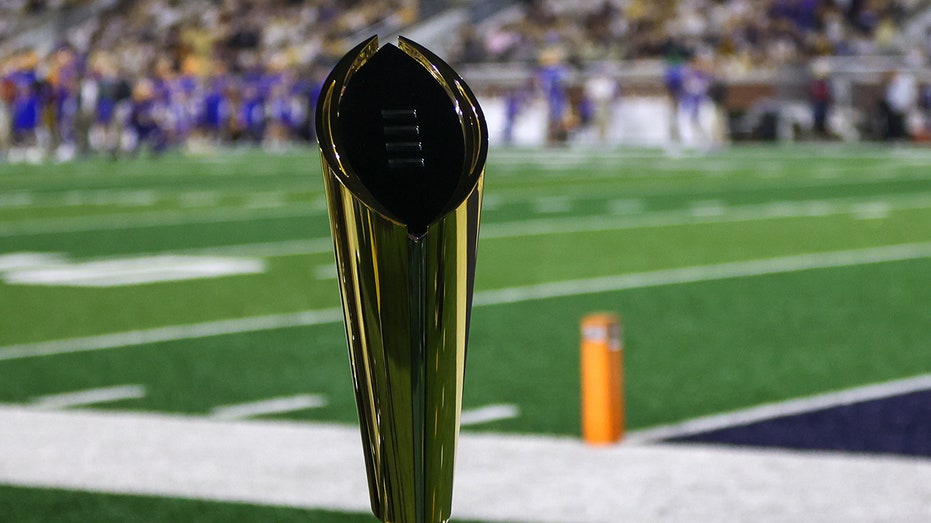
College football has changed more in the last decade than it did across much of the previous century. The College Football Playoff debuted in 2014 with a four-team field chosen by a selection committee, and for 10 years that format held despite repeated arguments over who deserved to be included. Then came expansion to 12 teams, pushed along by backlash to Florida State being left out of the 2023 playoff and by the clear financial upside of adding more postseason games.
Now the sport appears to be moving again, and much faster than many expected. Executives who oversee the playoff met this week outside Chicago, and multiple reports indicate that a 24-team format is close to becoming reality. According to Yahoo! reporting from Ross Dellenger, executive director Rich Clark said officials have worked through many of the issues tied to a 24-team expansion before beginning negotiations over money. The broad assumption is that the television revenue will be there, whether through ESPN or another media partner.
Clark also outlined key pieces of how the format could work. Eight first-round games would begin two weeks after the regular season ends, effectively one week after the current conference championship window. That timing would remove the need for conference championship games, which have long seemed vulnerable in any larger playoff model. Eight more second-round games would then be played in late December, most likely at the home stadium of the lower-seeded team, similar to the current first-round setup.
If the financial piece falls into place, the direction sounds clear. Dellenger also cited a confident stakeholder who said, “we are definitely going to 24.” That would be one of the most dramatic structural shifts in the sport’s history, and it would carry consequences well beyond the bracket itself.
What a 24-team field would change
The first obvious impact is on bowl games. In practical terms, a 24-team playoff would push many traditional bowls even further to the margins, with postseason value concentrated almost entirely around making the field. Just as important, the regular season would no longer carry the same weekly urgency that made college football distinct from every other major American sport.
With 24 spots available, three-loss teams would almost certainly get in, and four-loss teams likely would as well. That means rivalry losses and close defeats between major programs would no longer feel as season-defining as they once did. In an era of superconferences, schedule strength would help justify bids for teams that would previously have been eliminated from contention.
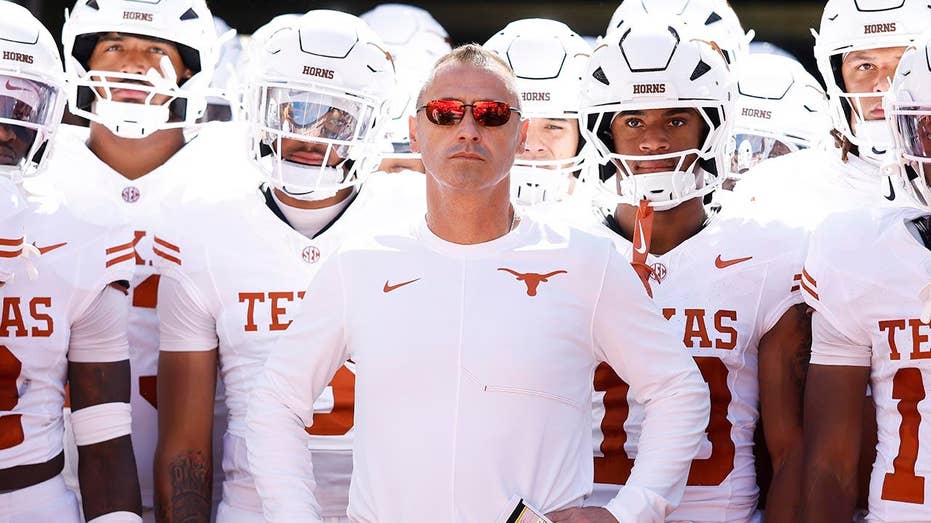
There is one possible counterargument. If losses become less damaging, some programs may feel freer to schedule major non-conference games. Steve Sarkisian made the opposite case after Texas lost to Ohio State in 2025 and missed the playoff, calling the result a disservice and suggesting difficult scheduling could hurt teams chasing bids. Texas won that matchup in 2026, but the broader point remains: easier schedules improve the odds of a 10-2 record and a playoff berth.
Still, there may be pressure to keep marquee games on the calendar. In 2026, ratings have declined, and even major brands such as Penn State have had trouble selling out. Texas had no problem filling its stadium for Ohio State, while USC drew roughly 50,000 fans for a noon game against San Jose State in bad weather but sold out against Oregon. As ticket prices rise and more fans choose to watch on phones or at home, schools need meaningful home games to bring people through the gates.
Even so, a 24-team playoff looks like a financial decision first. Conference championships would fade away, bowl traditions would weaken further, and the sport’s unmatched regular season would lose some of its edge. Fans have not exactly been clamoring for 24 teams, but their preferences appear to matter less than ever. The result could be a postseason with more inventory, more television windows, and far less of what once made college football special.
Install in seconds and keep earning from your phone.
Frequently Asked Questions
What's Your Reaction?
 Like
0
Like
0
 Dislike
0
Dislike
0
 Love
1
Love
1
 Funny
0
Funny
0
 Wow
0
Wow
0
 Sad
0
Sad
0
 Angry
0
Angry
0










Comments (0)