

Protein Ranking Names Tofu the Surprise Winner

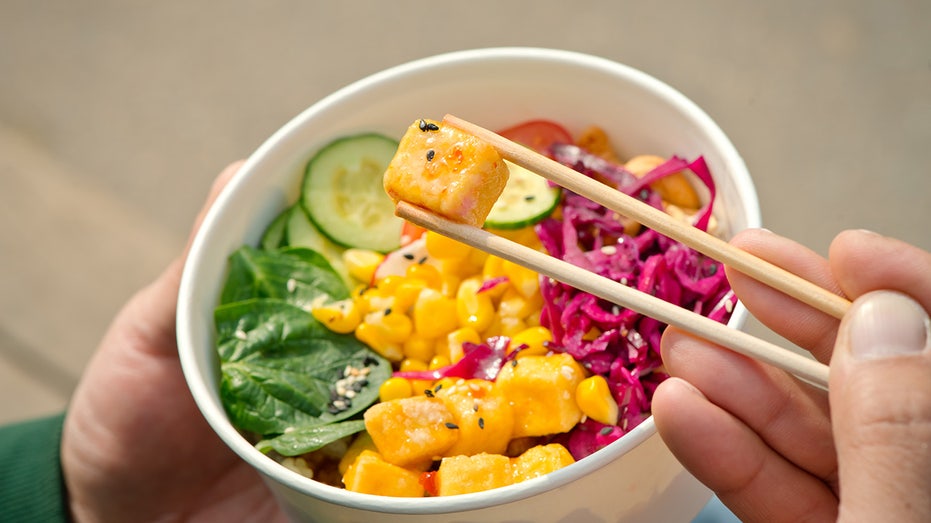
A new analysis of 20 protein sources found an unexpected leader: tofu ranked above steak, salmon and eggs in a scoring system designed to measure more than just nutrition. The rating, called the BPI Score, gave tofu 36 out of 40 points, placing it first among the foods reviewed. Beans, chia seeds and quinoa completed the top four, while mozzarella, lamb, beef and cheddar landed near the bottom.
The score was introduced in a July paper published in Frontiers in Sustainable Food Systems. It was developed by University of Cambridge researcher Chris Macdonald together with the Better Protein Institute. Rather than focusing only on protein content, the BPI Score uses a 40-point scale that combines nutrition, affordability and availability with environmental impact.
How the ranking works
The system is split into two parts: a People Score and a Planet Score. The People Score looks at sodium, saturated fat, cholesterol, whether a food provides all nine essential amino acids, affordability and availability. The Planet Score evaluates greenhouse gas emissions, water pollution, land use and freshwater use.
Tofu posted the highest result in both categories, helping it secure the top overall ranking. According to the paper, producing 100 grams of protein from tofu was associated with 0.61 kilograms of greenhouse gas emissions. For beef, that figure was 64.19 kilograms. The land-use gap was also large: tofu required about 2 square meters of land to produce 100 grams of protein, compared with about 211 square meters for beef.
Those numbers help explain why tofu performed so well in a scoring model that gives significant weight to environmental factors. They do not necessarily mean tofu is the best choice for every person or every meal, but they do show how dramatically protein sources can differ when sustainability is included in the calculation.
Important limits to keep in mind
Experts say the ranking should be viewed as a starting point, not a final answer. The BPI Score is an early scoring system created by one researcher rather than a controlled trial or official dietary guideline. It also relies on U.K. grocery data, which means prices and availability may look different in other countries.
Another key detail is that the comparison is based on the amount of each food needed to provide 100 grams of protein, not on equal-sized servings. That matters because some foods are far more concentrated sources of protein than others. In the paper, Macdonald wrote that despite the limitations of this first version, the score offers a strong basis for a more nuanced discussion.
Corry Matthews, a California-based fitness and nutrition expert and founder of Strength & Grace Fitness, said shoppers should think about protein quality, serving size and whether they can realistically eat enough of a food to meet their needs. She noted that three ounces of cooked chicken breast provides roughly 26 grams of protein, while a half cup of firm tofu may offer around 10 to 15 grams depending on the product. Two tablespoons of chia seeds provide only about 4 to 5 grams.
That is why a high ranking does not automatically make a food the best primary protein source for everyone. Matthews said chia seeds can still be a healthy food, but they may not be practical if someone is trying to get 25 to 30 grams of protein in a meal. She added that animal proteins such as eggs, dairy, fish and lean meats are generally complete proteins and concentrated sources of essential amino acids. Tofu is also a complete protein, but people relying on plant-based options may need to pay closer attention to serving sizes and total daily intake.
Ashley Koff, an Oregon-based registered dietitian and founder of The Better Nutrition Program, also emphasized that personal tolerance matters. Some people, she said, do not digest tofu well. For that reason, both experts stressed that shoppers should choose protein sources they enjoy, can access and that fit their own health goals rather than letting a ranking make the decision for them.
Install in seconds and keep earning from your phone.
Frequently Asked Questions
What's Your Reaction?
 Like
0
Like
0
 Dislike
0
Dislike
0
 Love
0
Love
0
 Funny
0
Funny
0
 Wow
0
Wow
0
 Sad
0
Sad
0
 Angry
0
Angry
0












Comments (0)