

Lawyers urge Tennessee governor to commute Christa Pike sentence

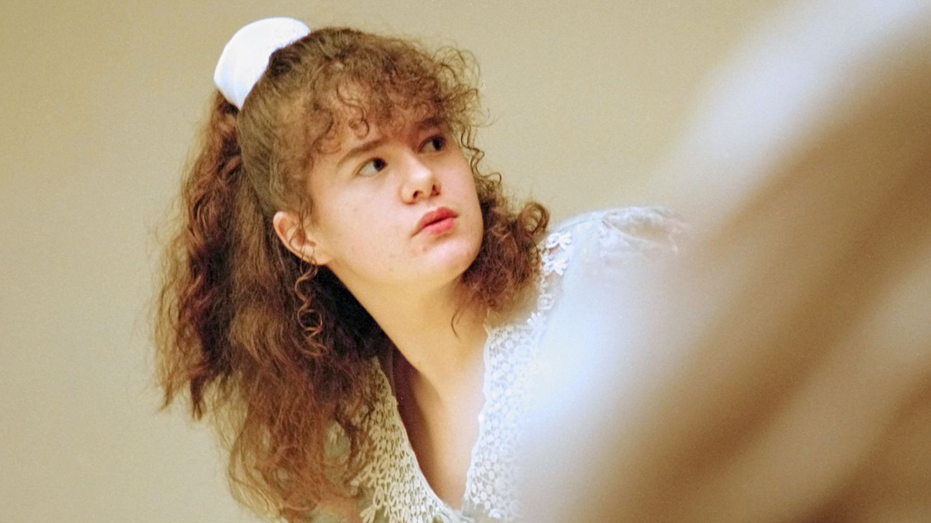
Attorneys for Christa Pike are urging Tennessee Gov. Bill Lee to commute her death sentence to life in prison after she survived two doses of lethal injection drugs during a failed execution that has drawn national scrutiny. Pike, sentenced to death for the 1995 murder of a classmate, was taken to a hospital Wednesday night after the execution did not result in her death. Her lawyers said Thursday that she remained in critical condition and was receiving lifesaving medical care.
Attorney Randy Spivey said the legal team had little information about her prognosis but confirmed that she was still alive. The episode led Lee to stop any further efforts to carry out Pike’s execution and to pause the state’s other scheduled execution this year. The governor also ordered an independent review, calling what happened “deeply disturbing.”
Pike’s lawyers filed an emergency motion with the Tennessee Supreme Court seeking an immediate halt, arguing that she had been subjected to unnecessary agony and that another attempt would violate constitutional protections against cruel and unusual punishment. Their request is now being echoed by death penalty opponents and legal experts, including Death Penalty Information Center Executive Director Robin Maher, who described the event as unprecedented.
Maher said that forcing Pike through another execution attempt after what she endured would be irresponsible. She also pointed to Pike’s history of gender-based violence and abuse during childhood and young adulthood, saying those circumstances made a renewed execution effort especially troubling.
Before the execution date, roughly 25,000 people had signed a petition asking Lee to commute Pike’s sentence. Her execution had briefly been halted by an appeals court early Wednesday, but the U.S. Supreme Court later overturned that stay, allowing the state to proceed.
An execution unlike any seen before
Pike, 50, would have been the first woman executed in Tennessee in more than 200 years. She also would have been the 30th person executed in the United States this year. Since the death penalty resumed in 1976, only 18 women have been executed nationwide, about 1% of all executions in the modern era.
Witness accounts from the execution chamber raised immediate alarm. Pike reportedly said she was at peace and ready to be free, but she remained conscious after the first dose and complained about a sensation in her arm. About an hour after the curtains first opened, witnesses said a second dose of pentobarbital was administered. Even after that, she could still be heard snoring behind a closed curtain until the microphone was cut off nearly 30 minutes later.
Tennessee switched in 2024 from a three-drug protocol to a single-drug pentobarbital method. While there have been cases in other states involving failed IV access, Maher said no one had previously remained alive after actually receiving lethal doses of execution drugs. The Death Penalty Information Center lists 65 botched executions in the modern era, but Pike’s case stands apart because the drugs were administered twice and she survived.
Tennessee’s record under renewed scrutiny
This was the second failed execution in Tennessee this year. In May, officials did not execute Tony Carruthers after they were unable to find a suitable vein for an IV line. Tennessee also halted Oscar Smith’s execution about two years earlier after acknowledging that it had failed to ensure its lethal injection drugs were properly tested. Smith was later executed by lethal injection last year.
Pike was 18 when she, her then-17-year-old boyfriend Tadaryl Shipp, and another defendant, Shadolla Peterson, were involved in the killing of 19-year-old Colleen Slemmer. Shipp received life with the possibility of parole because he was a minor and therefore ineligible for the death penalty, while Peterson testified for the state and avoided a death sentence.
Pike has never denied her role in the killing, but supporters have argued that her mental illness and allegations of severe sexual abuse should have weighed more heavily. She was later diagnosed with bipolar disorder and post-traumatic stress disorder. In an earlier statement, Pike said she had been a mentally ill 18-year-old and that it took years to fully grasp the gravity of what she had done.
Install in seconds and keep earning from your phone.
Frequently Asked Questions
What's Your Reaction?
 Like
0
Like
0
 Dislike
0
Dislike
0
 Love
0
Love
0
 Funny
0
Funny
0
 Wow
0
Wow
0
 Sad
0
Sad
0
 Angry
0
Angry
0










Comments (0)