

Hasan Firing Squad Could Reshape US Executions, Expert Says

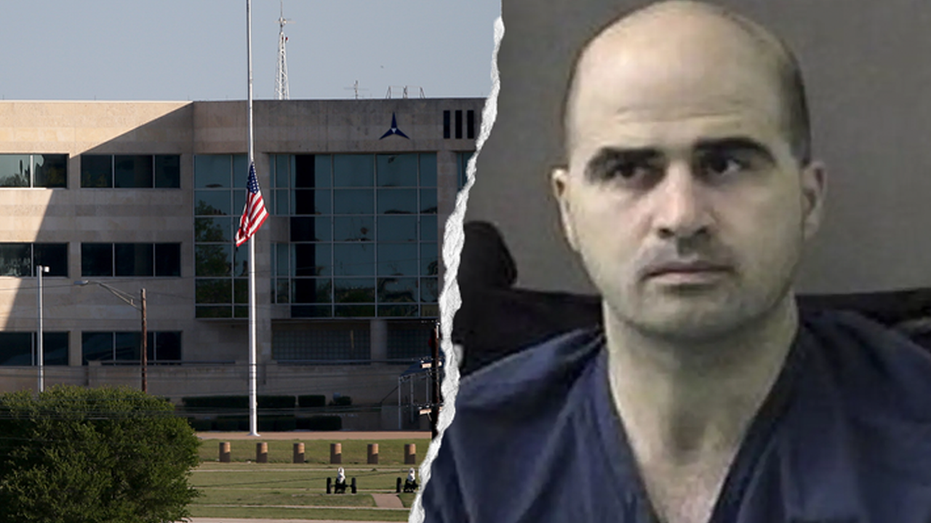
The planned firing squad execution of Fort Hood mass shooter Nidal Malik Hasan could influence how death sentences are carried out across the United States, according to Fordham Law professor Deborah Denno, a leading expert on capital punishment. She said the military case may become a turning point if the execution is seen as fast and technically effective, especially as confidence in lethal injection continues to weaken.
The Trump administration announced this week that Hasan will be executed by firing squad. Hasan was sentenced to death in 2013 for the 2009 mass shooting at Fort Hood, where 13 people were killed and 32 others were wounded. The Pentagon confirmed that the execution is scheduled for Dec. 3 and that it will be livestreamed.
Denno said firing squads are often viewed as more certain and quicker than other methods. In her assessment, they are also considered the least inhumane form of execution currently available. She argued that condemned inmates likely suffer less pain from gunfire than from lethal injection or other methods, and she noted that trained shooters are easier to find than personnel qualified to carry out more specialized execution procedures.
According to Denno, the United States has a broad pool of people with strong firearms training, including law enforcement officers, corrections personnel and civilian marksmen. That practical reality, she said, makes firing squads easier to organize than methods that rely on scarce drugs or highly controlled medical-style procedures.
Why the method is drawing renewed attention
Several states, including Idaho, Utah and South Carolina, have embraced the firing squad as a possible execution method in recent years. The shift has come as lethal injection faces increasing criticism over both the availability of drugs and the reliability of the process. Those concerns intensified after a Tennessee death row inmate survived two doses of pentobarbital last week, becoming the first person in the modern era to survive a lethal injection attempt.
That inmate, Christa Pike, 50, is recovering after the failed execution. She had been sentenced to death for the 1995 torture and murder of 19-year-old Colleen Slemmer in Knoxville. The case has renewed debate over whether lethal injection should remain a viable method of capital punishment.
Denno has previously argued that firing squads have produced relatively few problems throughout American history. She said there had been only two notable incidents, in 1877 and 1951, until new questions emerged last year after South Carolina executed double murderer Mikal Mahdi by firing squad.
Questions raised by the Mahdi execution
Mahdi, 42, was convicted of killing two people in 2004: store clerk Christopher Boggs, who was shot in the head while checking Mahdi’s identification, and off-duty officer James Myers, who was shot eight times and burned outside his home. Given the choice of lethal injection, electric chair or firing squad, Mahdi chose the firing squad.
After the execution, however, his lawyers argued that the bullets did not strike his heart as intended. Dr. Jonathan Arden, a forensic pathologist hired by the defense, said the evidence suggested Mahdi was hit by only two bullets rather than the prescribed three, which he said resulted in a more prolonged death. The shooters have not been publicly identified.
Denno said that case makes Hasan’s scheduled execution worth close attention. If the military procedure unfolds without similar controversy, she believes it could strengthen the case for broader use of firing squads in states that still permit capital punishment.
The Army said the last U.S. military execution took place on April 13, 1961, when Pvt. John A. Bennett was hanged at Fort Leavenworth, Kansas, after being convicted of rape and attempted murder. That history gives Hasan’s case added significance, not only because of the scale of the Fort Hood attack, but because it may shape the future of execution methods in America.
Install in seconds and keep earning from your phone.
Frequently Asked Questions
What's Your Reaction?
 Like
0
Like
0
 Dislike
0
Dislike
0
 Love
0
Love
0
 Funny
0
Funny
0
 Wow
0
Wow
0
 Sad
0
Sad
0
 Angry
0
Angry
0











Comments (0)