

Fire Crews Tackle Blaze at Boarded-Up Building


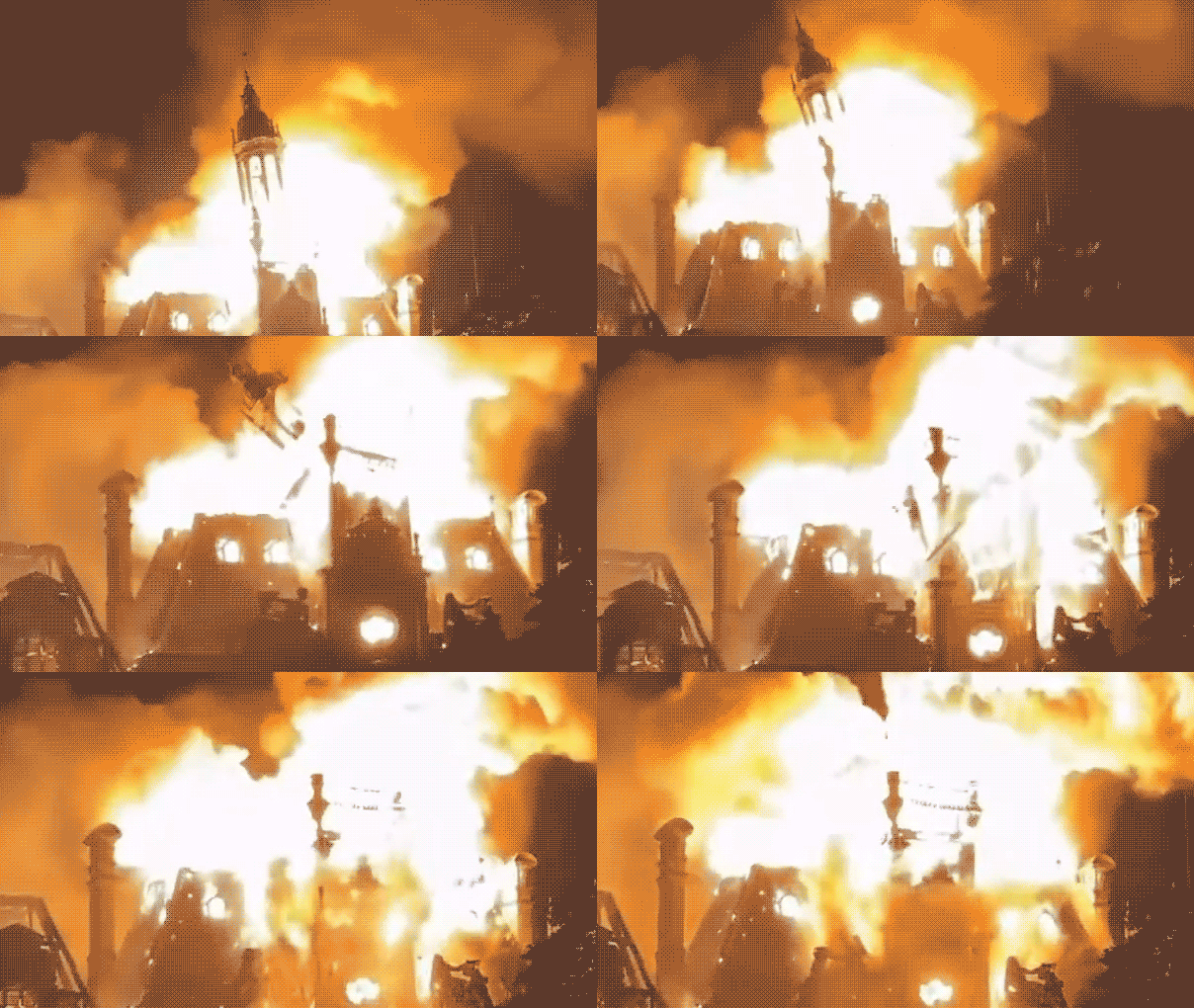
Fire crews were called to a fire at a boarded-up building, where smoke and flames drew a rapid emergency response and prompted safety concerns in the surrounding area. Vacant and secured properties can present unique challenges for firefighters, from limited access points to unstable interior conditions, making these incidents more complex than a standard structure fire.
According to initial reports, crews arrived to find visible fire conditions at the building and quickly began defensive and investigative operations. Because boarded-up structures are often difficult to enter safely, responders typically assess the integrity of the building before committing personnel inside. Their first priorities are containing the fire, protecting nearby properties, and ensuring no one is trapped in or around the structure.
In many cases, boarded-up buildings are vacant due to previous damage, code issues, redevelopment plans, or long-term disuse. Even when they appear empty, firefighters must still treat every call as a potential life hazard. People experiencing homelessness, trespassers, or contractors may be inside without the knowledge of neighbors or property owners, which is why a careful search strategy remains important when conditions allow.
Why fires at vacant buildings are especially dangerous
Boarded-up properties can become hazardous quickly during a fire. Sealed windows and doors may limit ventilation, causing heat and smoke to build up inside. At the same time, aging materials, weakened floors, and hidden structural damage can increase the risk of collapse, forcing crews to balance aggressive firefighting with scene safety.
- Restricted access: Boards, fencing, and locked entries can delay operations.
- Unknown interior layout: Alterations or damage may make the building unpredictable.
- Collapse potential: Fire can spread unnoticed through compromised walls and roofs.
- Exposure risk: Nearby homes, businesses, or utility lines may be threatened.
Fire officials commonly establish a perimeter around these scenes to keep bystanders away from smoke, debris, and emergency equipment. Traffic disruptions are also possible while engines, ladder trucks, and support units remain in place. Residents in the area may notice heavy smoke for a period of time, especially if the fire extends into concealed spaces or roofing materials.
Once the flames are under control, investigators usually begin examining the origin and cause of the fire. That process may involve reviewing witness statements, checking for utility issues, and documenting burn patterns throughout the structure. In a boarded-up building, investigators also look closely at signs of unauthorized entry, prior fire damage, and whether the property had active utilities or recent maintenance activity.
Property owners and local officials often face broader questions after incidents like this. A fire at a vacant building can renew concerns about neighborhood safety, code enforcement, and the condition of long-unused properties. Municipal leaders may review whether the structure should be repaired, secured again, or demolished if it poses an ongoing risk to the public and first responders.
What happens after the response
After suppression work is completed, crews typically remain on scene for overhaul operations to extinguish hidden hot spots and prevent rekindling. Utility companies, building inspectors, or public works teams may also be called in to assess hazards such as downed lines, exposed gas service, or damaged sidewalks. If the building is heavily compromised, officials may declare it unsafe and restrict access until a full inspection is completed.
For nearby residents, the incident serves as a reminder that vacant structures can quickly become emergency sites even when they appear inactive. Reporting smoke, suspicious activity, or damaged boarding early can help authorities address risks before they escalate. As investigators continue their work, officials are expected to provide updates on the cause of the fire and the future status of the building.
Install in seconds and keep earning from your phone.
Frequently Asked Questions
What's Your Reaction?
 Like
0
Like
0
 Dislike
0
Dislike
0
 Love
0
Love
0
 Funny
0
Funny
0
 Wow
0
Wow
0
 Sad
0
Sad
0
 Angry
0
Angry
0













Comments (0)