

ESPN Writer Mocked Caitlin Clark After Fever Playoff Exit

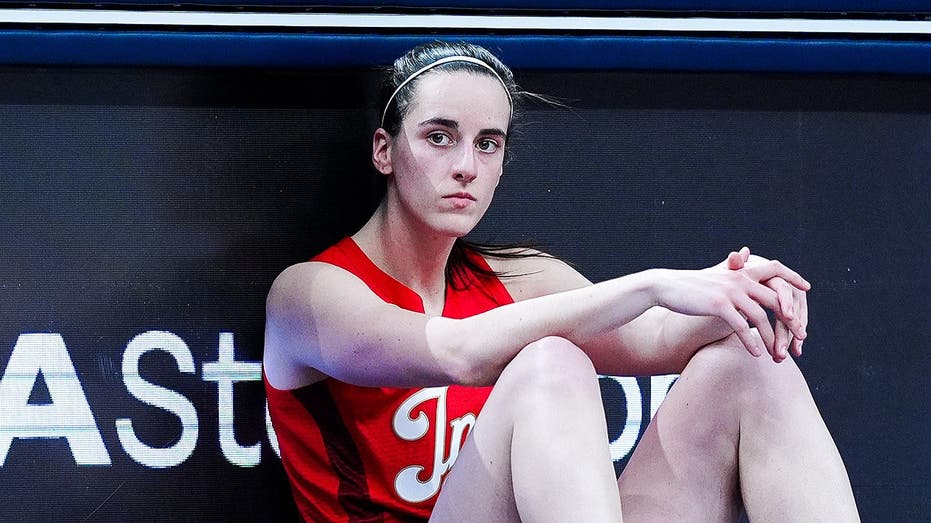
An ESPN writer sparked backlash after reacting to Caitlin Clark’s playoff elimination with a smiling photo on X and a thread arguing that the result validated his earlier criticism of the Indiana Fever star. David Dennis Jr. said the first-round exit showed he was correct to argue that Clark is not one of the WNBA’s top four guards and that questions about how her game translates to winning remain valid.
Dennis pointed back to his earlier position and wrote that the postseason result proved him right. He argued that a team viewed by ESPN as having three top-10 players, and one that had come within a game of the Finals without its star the year before, should face scrutiny after being eliminated in the opening round with that player available.
That framing quickly became part of the debate. The Fever were eliminated by the Las Vegas Aces, who entered the series as heavy betting favorites to win what would have been their fourth championship in five years. Describing the outcome simply as Clark getting “bounced in the first round” struck many observers as more dismissive than informative given the caliber of the opponent.
Clark’s individual performance also complicated the criticism. In the loss, she became the first player in WNBA history to record at least 25 points and 15 assists in a game. Whatever broader concerns analysts may have about roster construction, defense, or postseason readiness, the available facts from that game do not support the idea that Clark alone was responsible for Indiana’s defeat.
The reaction also raised a broader media question: why would an employee of ESPN, a network tied to the WNBA’s biggest stages, publicly celebrate the elimination of one of the league’s most visible stars? Clark has been one of the sport’s strongest television draws, and her presence has been central to national conversation around the league. For critics, that made Dennis’ posts look less like analysis and more like open antagonism toward a player who has helped bring additional attention to the WNBA.
Dennis has previously drawn attention for provocative commentary involving Clark and her supporters. He had earlier called on Clark’s fans, who make up a notable share of the league’s audience, to stop watching the WNBA. That history shaped how many readers interpreted his latest comments, especially because the playoff thread came across as celebratory rather than purely analytical.
Another sports media figure, Jessica Smetana of Meadowlark Media, also reacted negatively to the Fever’s loss, posting a remark comparing watching Sophie Cunningham play basketball to serving a sentence at Shawshank. Together, those responses added to criticism that some commentators have adopted a needlessly bitter tone when discussing Clark and players associated with her rise.
None of that means Clark should be beyond criticism. It is fair to debate where she ranks among WNBA guards, how quickly her style translates to playoff success, and whether Indiana is ready to contend deep into the postseason. But there is a clear difference between making a basketball argument and appearing to celebrate a player’s elimination while overlooking a historic individual performance against a superior opponent.
In the end, the discussion says as much about sports media as it does about Clark. Analysts are free to challenge hype, rankings, and narratives. Still, when criticism turns into visible gloating, it risks looking less like evaluation and more like personal investment in a player’s failure.

Works on Android, iPhone, Windows and Mac. No Play Store, installs in 2 seconds.
Frequently Asked Questions
What's Your Reaction?
 Like
1
Like
1
 Dislike
0
Dislike
0
 Love
0
Love
0
 Funny
0
Funny
0
 Wow
0
Wow
0
 Sad
0
Sad
0
 Angry
0
Angry
0












Comments (0)