

Experimental Skin Cream Tied to 2-Year Drop in Skin Age

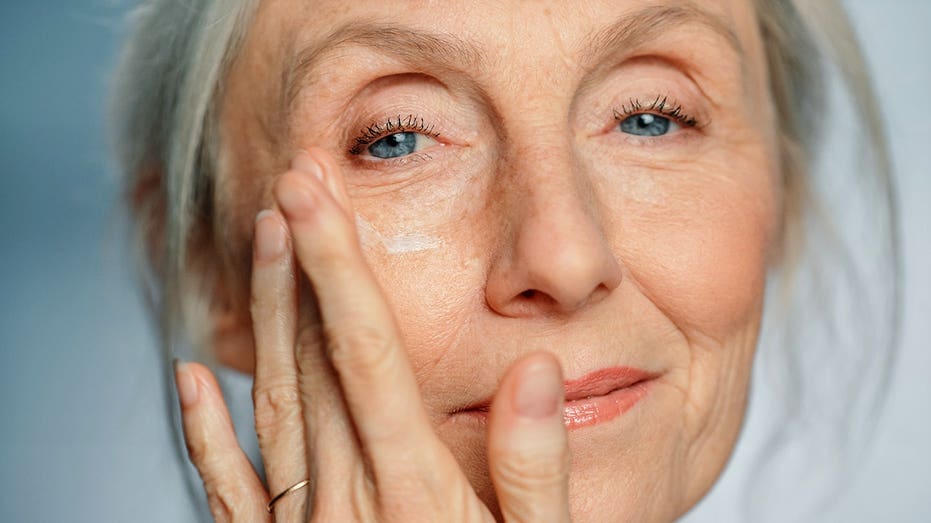
An experimental skin cream is drawing attention after early human trial data suggested it may shift biological markers linked to aging and inflammation. The treatment, called RLS-1496, is being developed by Mountain View, California-based Rubedo Life Sciences and has been tested in people with eczema and other skin conditions.
In one analysis involving 11 paired skin samples from patients with atopic dermatitis, four weeks of treatment was associated with an average 2.1-year drop in measured epigenetic skin age. That measurement is based on age-related changes in DNA and reflects molecular signs of aging in the skin rather than visible appearance alone.
Rubedo CEO Dr. Frederick Beddingfield said the early results were significant enough to justify more research. He also said the company believes the molecular changes could eventually translate into clinical improvements if treatment continues for longer periods. Still, the latest findings have only been presented at a scientific conference and have not yet appeared as a full peer-reviewed study.
How the cream is designed to work
RLS-1496 is intended to target senescent cells, which are aging or damaged cells that no longer divide but can release substances that promote inflammation. The drug focuses on a protein known as GPX4, which helps cells respond to stress. Researchers are studying whether blocking that protein can help eliminate damaged, aging cells while allowing healthier cells to remain.
Beddingfield described the strategy as one that aims at cellular aging itself instead of only addressing surface-level effects. According to the company, skin samples also showed a 10% increase in a form of collagen that supports skin structure. Blood testing found lower levels of several inflammation-related markers, although it remains uncertain what those changes mean for overall patient health.
Important limits to the early findings
Despite the promising headline result, the data come with clear limitations. The skin-aging analysis included only 11 paired samples, making it far too small to draw broad conclusions. It also measured biological signals in the skin rather than proving that skin looked younger, functioned better, or produced lasting benefits.
The treatment period lasted just four weeks, so researchers do not yet know whether the changes will continue, reverse, or grow stronger over time. In addition, the studies were sponsored by Rubedo, which means the results will need independent confirmation and broader testing. Beddingfield said the company's next trial is expected to treat participants for several months.
Other skin conditions under study
Rubedo is also evaluating RLS-1496 in other dermatology settings. In a separate early-stage study involving 22 patients with actinic keratosis, rough precancerous patches caused by sun exposure, the company reported an average 49% reduction in lesions after 28 days of treatment.
That study was open-label and compared treated forearms with untreated forearms rather than using a placebo cream. As a result, the findings should also be viewed as preliminary. Even so, the company said the cream caused minimal skin irritation, and the drug was found in the blood of very few participants after topical use.
Beddingfield said local irritation has been rare and generally mild when it occurs, and he noted that no participant has stopped treatment so far because of side effects. Rubedo has also started an early-stage trial of RLS-1496 for androgenetic alopecia, or pattern hair loss.
For now, the cream remains investigational, and any potential U.S. Food and Drug Administration approval is still estimated to be three to four years away, assuming larger clinical trials are successful. The early data are intriguing, but much more evidence will be needed before the treatment can be viewed as a proven anti-aging therapy.
Install in seconds and keep earning from your phone.
Frequently Asked Questions
What's Your Reaction?
 Like
0
Like
0
 Dislike
0
Dislike
0
 Love
0
Love
0
 Funny
0
Funny
0
 Wow
0
Wow
0
 Sad
0
Sad
0
 Angry
0
Angry
0











Comments (0)