

Enes Kanter Freedom Responds to Cheryl Reeve on Trans Debate

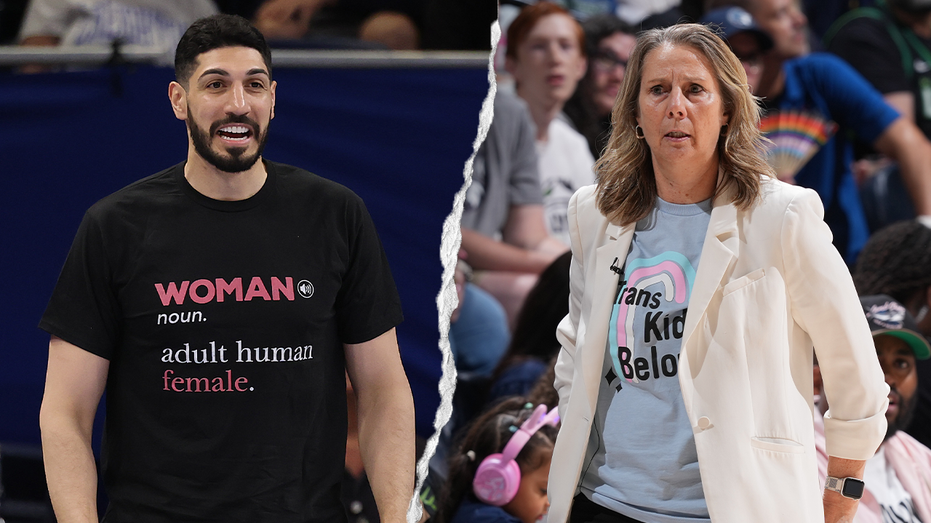
Enes Kanter Freedom publicly pushed back after Minnesota Lynx coach Cheryl Reeve argued that the national debate over transgender athletes is often driven by people who, in her view, “don’t want transgender people to exist.” His response added another high-profile voice to a discussion that already sits at the intersection of sports policy, civil rights, and political messaging.
Freedom, a former NBA player known for outspoken positions on human rights and cultural issues, framed the matter differently. He argued that many critics of transgender participation in women’s sports are focused on fairness, competitive balance, and the protection of sex-based categories rather than hostility toward transgender people as a group. That distinction has become central to the broader public conversation, especially as leagues, schools, and governing bodies continue to revisit eligibility rules.
Reeve’s remarks reflected a view shared by many advocates for transgender inclusion, who say the debate frequently goes beyond competition and becomes a vehicle for broader social exclusion. Supporters of that perspective argue that rhetoric around participation can shape how transgender people are treated in public life, from schools to workplaces to healthcare settings. In that framework, language matters because it can either humanize a vulnerable minority or deepen social division.
Freedom’s criticism was aimed at what he sees as an overly sweeping characterization of opponents. By suggesting that disagreement over sports policy should not automatically be interpreted as denial of transgender people’s existence or dignity, he sought to separate policy concerns from personal animus. That position resonates with people who believe it is possible to support equal respect for transgender individuals while also questioning whether current competitive rules are fair in every context.
Why the issue remains so contentious
The conflict persists because it involves competing principles that many people consider important. On one side is the push for inclusion and equal opportunity, especially for athletes who identify as transgender and want to compete in accordance with their gender identity. On the other is concern that women’s sports categories were created to account for biological differences that can affect performance, safety, and scholarships.
Sports organizations have responded in different ways. Some have adopted sport-specific standards tied to testosterone levels or transition timelines, while others have moved toward stricter sex-based eligibility rules. Those changes have intensified public scrutiny, with coaches, athletes, lawmakers, and commentators all weighing in. As a result, statements from prominent figures such as Reeve and Freedom often travel far beyond the sports world and into national political debate.
Another reason the topic remains heated is that it is often discussed in absolute terms. Critics of inclusion policies may be labeled intolerant, while supporters may be accused of ignoring biological realities. That dynamic leaves little room for nuanced discussion, even though many voters and sports fans hold mixed views: they may support anti-discrimination protections for transgender people while also favoring clear boundaries in elite competition.
A debate likely to continue
Neither Reeve nor Freedom is likely to settle the issue, but their exchange illustrates how sharply the conversation is framed in 2026. Public opinion, legal challenges, and governing-body decisions will continue shaping the rules. For now, the dispute underscores a larger reality: the debate over transgender athletes is no longer only about sports. It is also about identity, fairness, language, and how a divided public interprets the motives of those on the other side.
Install in seconds and keep earning from your phone.
Frequently Asked Questions
What's Your Reaction?
 Like
0
Like
0
 Dislike
0
Dislike
0
 Love
0
Love
0
 Funny
0
Funny
0
 Wow
0
Wow
0
 Sad
0
Sad
0
 Angry
0
Angry
0













Comments (0)