

Supreme Court Weighs Asylum Bar in Forced Cooking Case

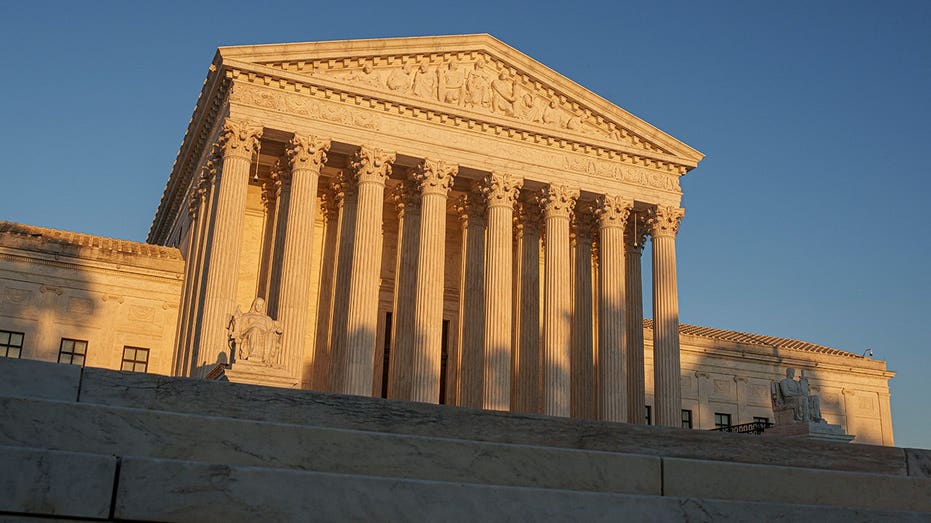
The Supreme Court has agreed to hear a closely watched immigration case centered on a Nigerian man who says he was forced to cook for the Unknown Gunmen, a militant group tied to political violence in Nigeria. The dispute could clarify how far federal authorities may go in applying the Immigration and Nationality Act’s terrorism-related bar to asylum, especially when the alleged support involves ordinary services rather than direct participation in an attack.
At issue is whether cooking meals for a terrorist organization can amount to “material support” under federal immigration law. That provision blocks certain immigrants from receiving asylum if they provide support to terrorist groups. The statute lists examples such as transportation, communications, housing, money, weapons, and training, but it does not precisely define the outer limits of material support.
The case involves Nigerian citizen Izuchukwu Ozurumba, who was deported to Nigeria in April 2025 while his appeal was still pending. According to court records, Ozurumba said he initially agreed to work as a chef at what he believed was a rural camp, preparing three meals a day for 15 to 17 leaders. He later learned the camp belonged to the Unknown Gunmen, and he said armed guards prevented him from leaving.
Ozurumba told authorities he cooked for the group’s leaders for about six months, including three months without pay, before escaping during a trip into town to buy groceries. He also said members of the group continued threatening and attacking him after his escape, leading him to flee Nigeria for Venezuela and later the United States. He crossed the southern border without valid entry documents in July 2023 and surrendered to Border Patrol agents.
How the lower courts split
An immigration judge denied his asylum request and ordered him removed, and the Board of Immigration Appeals upheld that decision. The agency concluded that his cooking fell within the material-support bar. It also found that the Unknown Gunmen qualified as a Tier III terrorist organization under immigration law, even without a formal State Department designation.
But the 4th U.S. Circuit Court of Appeals, in a 2-1 decision, overturned the deportation order and sent the case back to the immigration board. Judge James Wynn Jr., joined by Judge Nicole Berner, wrote that although Ozurumba prepared thousands of meals, his work did not provide resources that could be directly used or readily redirected toward terrorist operations.
The majority did not resolve whether the law contains an exception for support given under duress. Instead, it held that his conduct did not qualify as material support in the first place. Judge Julius Richardson dissented, arguing that cooking thousands of meals for terrorist leaders plainly freed them to focus on the organization’s goals.
Why the case matters beyond one applicant
The Trump administration argues the 4th Circuit read the statute too narrowly. Supporters of that view say even routine services can sustain a terrorist organization by freeing armed members or bomb makers for other tasks. Legal experts backing the administration also note that other federal appeals courts have treated food and shelter as material support even when not tied to a specific attack.
The case arrives in a changed legal landscape after the Supreme Court’s 2024 decision ending Chevron deference, which had required courts to defer to reasonable agency interpretations of ambiguous laws. That ruling gave judges greater authority to decide statutory meaning themselves, making this dispute an important test of how courts will handle immigration statutes involving national security.
Even if Ozurumba ultimately prevails, he would not automatically receive asylum or be guaranteed a return to the United States. His case would still have to be reconsidered by immigration authorities, and the 4th Circuit previously left it to the government to decide whether his presence in the country would be needed for further proceedings.
Install in seconds and keep earning from your phone.
Frequently Asked Questions
What's Your Reaction?
 Like
0
Like
0
 Dislike
0
Dislike
0
 Love
0
Love
0
 Funny
0
Funny
0
 Wow
0
Wow
0
 Sad
0
Sad
0
 Angry
0
Angry
0













Comments (0)