

Candle Art: A Complete Guide to Creative Candle Making, Materials, Techniques, and Home Decoration
Candle Art: A Complete Guide to Creative Candle Making, Materials, Techniques, and Home Decoration
Introduction to Candle Art
Candle art is a beautiful and creative craft that transforms ordinary candles into unique decorative pieces. It combines artistic design, fragrance, color, and craftsmanship to produce candles that enhance home interiors, create relaxing environments, and make thoughtful gifts.
In recent years, candle art has become increasingly popular among DIY enthusiasts, home decorators, artists, and small business owners. From elegant scented candles to colorful sculptural designs, candle making offers endless opportunities for creativity and personal expression.
Whether you are a beginner interested in learning candle making or an entrepreneur planning to start a handmade candle business, understanding the materials, techniques, and design possibilities is essential.
1. What Is Candle Art?
Candle art is the process of designing, decorating, and creating candles using different types of wax, molds, colors, fragrances, and artistic techniques.
Unlike traditional candles, which are primarily used for lighting, artistic candles are often created for decoration, aromatherapy, celebrations, and personalized gifting.
Candle artists experiment with different shapes, textures, patterns, and fragrances to develop visually attractive products.
Popular examples of candle art include:
-
Scented candles: Candles infused with fragrances such as vanilla, lavender, rose, and sandalwood.
-
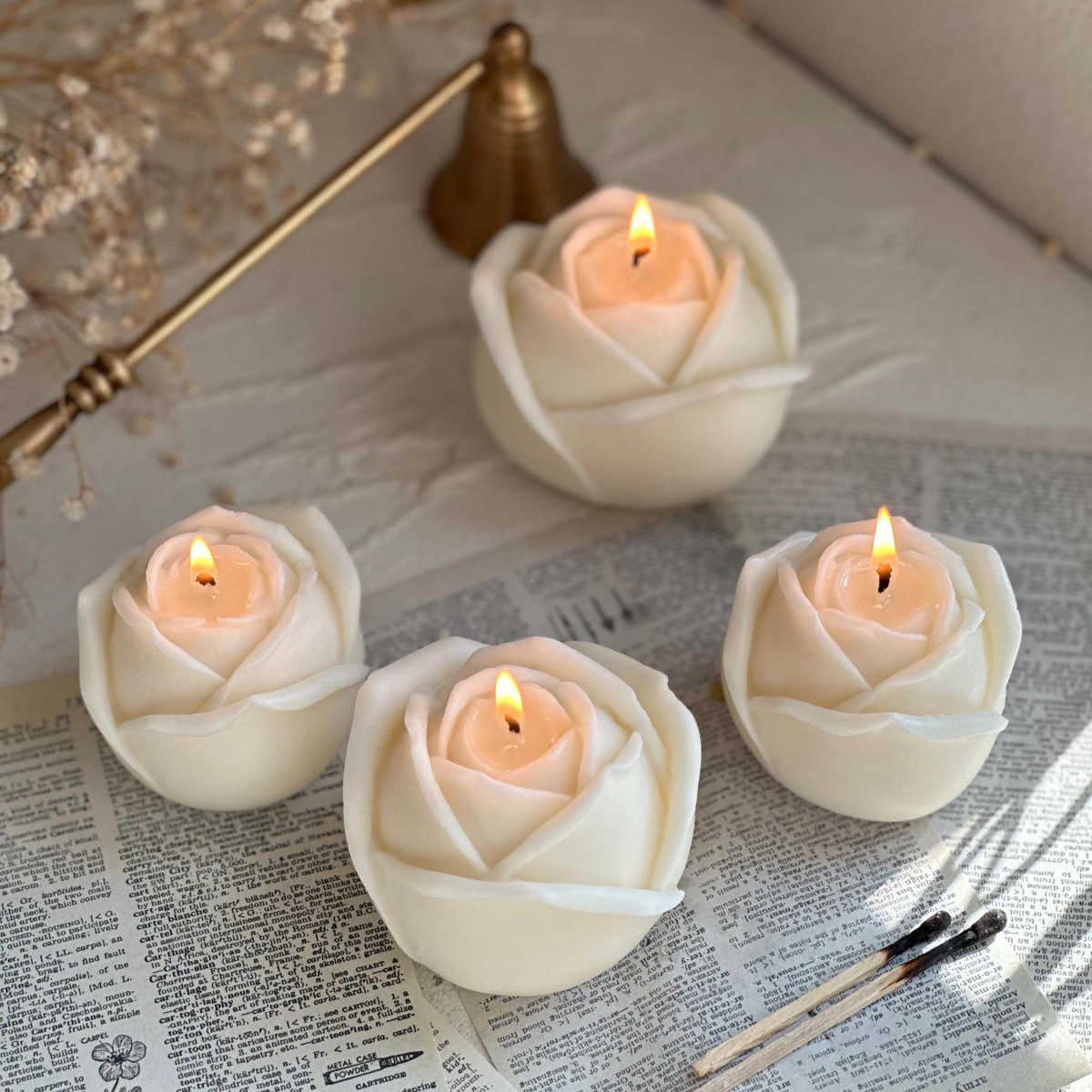
Sculpture candles: Artistic candles shaped like flowers, human figures, geometric objects, and abstract designs.
-
Layered candles: Candles featuring multiple layers of colored wax.
-
Bubble candles: Modern decorative candles featuring rounded bubble-like shapes.
-
Botanical candles: Candles inspired by natural flowers, leaves, and botanical patterns.
-
Personalized candles: Customized candles for weddings, birthdays, corporate events, and special occasions.
-
2. Materials Required for Candle Art
Creating high-quality artistic candles requires suitable materials and equipment. The choice of materials directly affects the candle's appearance, fragrance, burning performance, and overall quality.
Types of candle wax
Soy Wax: A plant-based wax made from soybean oil. It is commonly used for container candles because of its smooth appearance and fragrance compatibility.
Paraffin Wax: A widely used candle-making material that offers good color performance and versatility for different candle designs.
Beeswax: A natural wax produced by honeybees. It has a characteristic golden color and subtle honey-like scent.
Coconut Wax: A wax derived from coconut oil, often blended with other waxes to improve candle performance.
Gel Wax: A transparent, gel-like candle material suitable for specialized decorative container candles when used with compatible components.
Other essential materials
Material
Purpose
Candle wicks
Provide the flame for burning
Silicone molds
Create decorative shapes
Candle-safe fragrance oils
Add pleasant scents
Wax-compatible dyes
Produce different colors
Heat-resistant containers
Hold container candles
Thermometer
Monitor wax temperature
Melting pitcher
Melt and pour wax
Wick holders
Keep wicks centered
Digital weighing scale
Measure ingredients accurately
Always select wax, wicks, fragrances, dyes, and containers designed for candle making. Decorative additives that are not approved for burning can create fire hazards.
-
3. How to Make Candle Art: Step-by-Step Guide
Step 1: Prepare the materials
Gather your wax, wicks, molds, fragrance oils, dyes, and equipment. Ensure your workspace is clean, dry, and heat-resistant.
Step 2: Melt the wax
Melt the wax gently using a suitable double-boiler setup. Monitor the temperature and follow the wax manufacturer's instructions. Never leave melting wax unattended.
Step 3: Add fragrance and color
Add candle-safe fragrance oil and wax dye at the temperatures recommended by the suppliers. Stir carefully to distribute the ingredients evenly.
Step 4: Pour into molds
Position the appropriate wick securely and pour the melted wax into a suitable mold or candle container. Avoid moving the candle while it cools.
Step 5: Cool and finish
Allow the candle to solidify completely. Remove it carefully from the mold, trim the wick, and inspect the finished design. Follow the wax supplier's curing recommendations before burn testing.
4. Popular Candle Art Techniques
Candle art includes numerous techniques that allow artists to create distinctive products.
Marble effect candles
Marble candles feature swirling colors that resemble natural marble stone. Artists achieve this appearance by carefully combining compatible colored waxes.
Flower-shaped candles
Floral candles are created using detailed silicone molds. Roses, tulips, peonies, and daisies are especially popular designs for decorative collections and gifts.
Geometric candles
Geometric candle art includes cubes, spheres, pyramids, arches, and abstract architectural shapes. These designs complement contemporary and minimalist interiors.
Layered color candles
Layered candles feature different wax colors arranged in visible sections. Each layer is allowed to set sufficiently before another is poured to achieve clean separation.
Textured candles
Textured candle art uses molds and specialized techniques to create ribbed, twisted, woven, or patterned surfaces.
5. Benefits of Candle Art
Candle art provides both creative satisfaction and practical opportunities.
Home decoration: Artistic candles enhance living rooms, bedrooms, dining areas, and office spaces. Their colors and shapes can complement different interior design themes.
Relaxation and atmosphere: Scented candles can help create a pleasant environment for relaxation, meditation, and self-care.
Creative expression: Candle making allows artists to experiment with new designs, fragrances, colors, and textures.
Personalized gifts: Handmade candles can be customized with names, messages, special packaging, and fragrances for birthdays, weddings, and other celebrations.
Business opportunities: Candle art can become a small home-based business. Entrepreneurs can sell handmade candles through websites, social media platforms, craft markets, and gift shops.
6. Candle Art for Home Decoration
14Decorative candles are an affordable way to enhance interior spaces. They can be displayed individually or arranged in groups to create attractive visual compositions.
Neutral-colored candles work well with minimalist interiors, while brightly colored candles can add personality to modern spaces.
Sculptural candles can serve as decorative objects even when they are not lit. Scented candles are especially popular in bedrooms, bathrooms, and relaxation areas.
When displaying candles, always keep them away from curtains, paper decorations, dried flowers, and other flammable objects. Use stable, heat-resistant holders and never leave burning candles unattended.
7. How to Start a Candle Art Business
Starting a candle art business can be an attractive opportunity for creative entrepreneurs.
The first step is to identify a target market. Customers may be interested in luxury scented candles, decorative candles, wedding favors, corporate gifts, or personalized products.
Developing a recognizable brand is important. A unique business name, professional logo, attractive packaging, and consistent product photography can help establish brand identity.
Businesses can promote their products through Instagram, Facebook, TikTok, Pinterest, and online stores.
High-quality photographs and videos showing the candle-making process can attract potential customers and increase engagement.
Pricing should consider raw materials, labor, packaging, overhead, marketing, and desired profit margins.
Before selling candles intended for burning, manufacturers should conduct appropriate burn testing, provide safety instructions, and follow applicable product-labeling and fire-safety requirements.
8. Candle Art Safety and Maintenance Tips
Proper handling and maintenance are essential for candle quality and safety.
-
Trim the wick to approximately ¼ inch (6 mm) before lighting, unless the manufacturer specifies otherwise.
-
Place candles on stable, heat-resistant surfaces.
-
Keep burning candles away from children, pets, and flammable materials.
-
Avoid adding dried flowers, herbs, glitter, or other combustible decorations near the flame.
-
Never leave a burning candle unattended.
-
Store candles in cool, dry places away from direct sunlight.
-
Follow the candle manufacturer's instructions regarding burn duration and when to discontinue use.
Decorative candles that have not been tested for safe burning should be labeled and used for decoration only.
9. Future Trends in Candle Art
Candle art continues to evolve as customers explore creative and personalized home decor.
Modern trends include sculptural candle designs, minimalist color palettes, nature-inspired textures, customized gift collections, and reusable decorative containers.
There is also growing interest in plant-based waxes, distinctive fragrance combinations, and premium gift packaging.
As online shopping and social media marketing continue to develop, candle artists have more opportunities to reach customers and showcase their creative work.
-
Frequently Asked Questions
What is candle art, and why is it popular?
Candle art is the creative process of making decorative and scented candles using wax, colors, molds, and fragrances. It is popular because it combines artistic expression with home decoration, gifting, and opportunities for small businesses.
Which wax is best for beginners in candle art?
Soy wax is a popular choice for beginners making container candles because it is widely available and relatively easy to work with. For freestanding sculptural candles, a wax specifically formulated for pillars or molds is generally more suitable.
Can I start a candle art business from home?
Yes. Candle art can be started as a home-based business with suitable equipment, raw materials, safe production practices, and a dedicated workspace. You can begin with a small product collection and expand after testing product quality and customer demand.
How long does it take to make handmade candles?
The preparation and pouring process may take less than an hour for a simple batch, but cooling and curing require additional time. Depending on the wax, candle size, and formulation, curing recommendations can range from days to approximately two weeks.
What types of candle art are best for gifts and home decoration?
Scented jar candles, floral candles, bubble candles, geometric candles, and personalized candles are popular choices. The best option depends on the recipient's preferences, interior style, fragrance choice, and occasion.

Install in seconds and keep earning from your phone.
What's Your Reaction?
 Like
0
Like
0
 Dislike
0
Dislike
0
 Love
0
Love
0
 Funny
0
Funny
0
 Wow
0
Wow
0
 Sad
0
Sad
0
 Angry
0
Angry
0










Comments (0)